
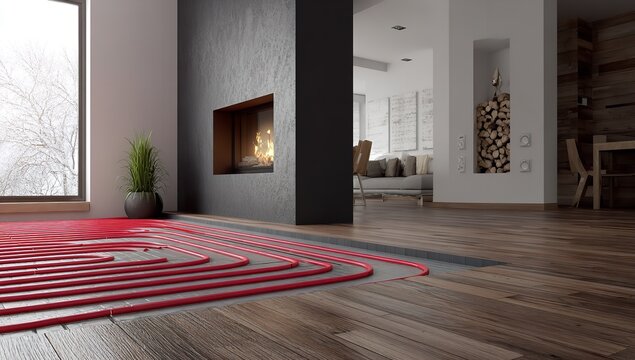
A properly operating heating system should help maintain comfortable temperatures throughout your home. However, it is common for certain rooms or areas to feel noticeably colder than others. These cold spots can be frustrating, especially when the thermostat shows that the home has already reached the desired temperature.
Cold spots do not always mean that the furnace itself is failing. They can be caused by airflow problems, ductwork issues, insulation, drafts, room location, or the way the HVAC system distributes heated air.
Understanding the possible causes can help homeowners determine what may be contributing to uneven heating and when professional HVAC service may be appropriate.
What Are Cold Spots?
Cold spots are areas of a home that consistently feel colder than surrounding rooms even though the heating system is operating.
For example, a bedroom at the end of a hallway may remain several degrees cooler than the living room, or an upstairs room may feel colder than rooms on the main floor.
Occasional temperature differences can be normal. However, persistent or significant cold spots may indicate that something is affecting airflow, heat distribution, or heat retention.
1. Blocked or Closed Air Vents
One of the easiest things to check is whether the supply vents in colder rooms are open and unobstructed.
Furniture, rugs, curtains, storage boxes, or other objects can block vents and reduce the amount of heated air entering the room.
Make sure supply registers are open and that furniture is not directly covering them. Return vents should also remain clear so air can circulate properly through the HVAC system.
2. Leaky or Damaged Ductwork
Ductwork carries heated air from the HVAC equipment to different rooms throughout the home.
If ducts have leaks, disconnected sections, cracks, or poor connections, some of the heated air may escape before reaching its intended destination.
Ductwork problems can be especially noticeable in rooms that are far from the furnace or located in areas such as attics, crawl spaces, or garages.
Signs of possible duct problems include:
- Weak airflow from certain vents
- Rooms that consistently feel colder
- Longer heating cycles
- Uneven temperatures
- Increased energy use
A professional can inspect accessible ductwork and evaluate whether airflow problems may be contributing to cold spots.
3. Poor Insulation
Insulation helps slow the transfer of heat between the interior and exterior of your home.
If certain rooms have insufficient insulation, they may lose heat more quickly than other areas. This can be particularly noticeable in rooms located beneath an attic, above a garage, or along exterior walls.
Poor insulation can make a room feel cold even when the HVAC system is supplying heated air normally.
If the heating equipment appears to be operating properly but a particular area remains cold, an insulation evaluation may be worthwhile.
4. Drafty Windows and Doors
Cold air entering through gaps around windows and exterior doors can create noticeable cold spots.
Older windows, worn weatherstripping, poorly sealed frames, and gaps around doors can allow outdoor air to enter the home.
You may notice drafts near:
- Exterior doors
- Older windows
- Window frames
- Sliding doors
- Areas where walls meet exterior openings
Reducing noticeable drafts can help improve comfort and reduce the amount of heat lost from the home.
5. The Room Is Far From the HVAC Equipment
Rooms located farther away from the furnace may sometimes receive less heated airflow, especially when the duct system is not properly balanced.
Long duct runs can affect airflow, and the design of the duct system can influence how evenly heated air reaches different areas.
This is one reason why a room at the end of a long hallway or on another floor may feel different from a room located close to the HVAC equipment.
6. Poor Airflow Balance
A home’s HVAC system needs balanced airflow to distribute conditioned air effectively.
If some rooms receive too much air while others receive too little, temperature differences can develop.
Airflow balance can be affected by duct design, duct restrictions, blocked vents, return-air limitations, and other factors.
A professional HVAC technician can evaluate airflow and determine whether adjustments or repairs may improve temperature consistency.
7. Problems With the Return Air System
Supply vents deliver heated air into rooms, but return vents bring indoor air back toward the HVAC equipment.
If return airflow is restricted, the system may have difficulty circulating air effectively.
Blocked return grilles, insufficient return pathways, or other airflow restrictions can contribute to uneven temperatures.
Homeowners should make sure return vents are not covered by furniture or other household items.
8. The Thermostat Is in the Wrong Location
The thermostat measures the temperature in the area where it is installed. If that location does not represent the average temperature of the home, the heating system may not operate in a way that keeps every room equally comfortable.
For example, a thermostat located near a heat-producing appliance, direct sunlight, a draft, or another unusual source of temperature change may receive an inaccurate reading.
This can cause the system to stop heating even though other parts of the home still feel cold.
9. The Home Has Multiple Levels
Multi-story homes can naturally experience temperature differences.
Warm air tends to rise, which can make upper floors warmer while lower levels remain cooler. Differences in insulation, duct design, windows, and sun exposure can further contribute to uneven temperatures.
If certain floors consistently experience comfort problems, an HVAC professional can evaluate airflow and system performance to identify potential causes.
10. Sun Exposure Can Affect Room Temperatures
The amount of sunlight a room receives can influence its temperature.
Rooms with large south- or west-facing windows may receive significant sunlight during certain parts of the day, while rooms with less direct sunlight may remain cooler.
This does not necessarily indicate an HVAC problem. However, if the difference is extreme or occurs regardless of outdoor conditions, it may be worth evaluating the room’s insulation, windows, airflow, and other factors.
11. The HVAC System May Be Aging
As heating equipment gets older, normal wear can affect performance.
An aging furnace may still operate, but components such as the blower motor and other mechanical or electrical parts can develop problems that affect airflow or heating performance.
If cold spots are accompanied by unusual noises, longer heating cycles, frequent repairs, or difficulty reaching the thermostat setting, professional inspection may help determine whether equipment performance is contributing to the problem.
12. The HVAC System May Not Be Properly Sized
HVAC systems need to be appropriately sized for the home they serve.
An improperly sized system can contribute to comfort and performance problems. However, system sizing should not be assumed to be the cause simply because a home has cold rooms.
Factors such as insulation, ductwork, windows, home layout, and airflow should also be evaluated.
A professional assessment can help determine whether equipment capacity or another issue is affecting temperature consistency.
How Can You Find the Cause of Cold Spots?
Start with simple observations around the home.
Check that vents are open and unobstructed. Replace a dirty air filter if necessary and make sure return vents are clear.
Pay attention to whether the cold spot occurs at a particular time of day, during certain weather conditions, or all the time.
If the problem persists, professional HVAC service can help evaluate:
- Airflow
- Ductwork
- Thermostat operation
- Heating equipment
- Filters
- Return-air pathways
- Insulation-related concerns
- Other system components
Identifying the actual cause is important because adding more heat does not necessarily solve an airflow or heat-loss problem.
Can Regular HVAC Maintenance Prevent Cold Spots?
Regular HVAC maintenance can help identify issues that may contribute to uneven heating.
A professional can inspect equipment, evaluate airflow, check important components, and identify developing problems.
Homeowners should also replace filters as recommended, keep vents unobstructed, and monitor changes in heating performance.
Maintenance cannot eliminate every cause of cold spots, especially when the issue involves insulation or the building structure, but it can help keep the HVAC system operating properly.
When Should You Call an HVAC Professional?
Consider scheduling professional service if:
- One or more rooms consistently remain cold
- Certain vents have weak airflow
- The furnace runs for long periods
- The thermostat setting is difficult to reach
- Cold spots have recently developed
- You hear unusual sounds from the heating system
- Energy use has increased unexpectedly
- You notice recurring airflow problems
A professional evaluation can help determine whether the cause is related to the HVAC equipment, ductwork, airflow, thermostat, or the home itself.
Why Choose Air Factory Heating and Cooling?
Uneven heating can have several possible causes, so identifying the source is an important part of resolving the problem. Air Factory Heating and Cooling can help homeowners evaluate heating performance and investigate issues that may be contributing to cold rooms.
Whether the concern involves airflow, equipment operation, maintenance, or another HVAC issue, professional service can help determine what is happening and what steps may be appropriate.
Keep Your Home Comfortable From Room to Room
Cold spots can result from something as simple as a blocked vent or as complex as ductwork, insulation, or equipment issues. The key is to identify the underlying cause rather than simply increasing the thermostat.
Keeping vents clear, replacing filters as recommended, and scheduling regular HVAC inspections can support better system performance. If certain rooms consistently remain colder than the rest of the home, professional evaluation can help identify the reason.
With the right diagnosis and appropriate maintenance or repairs, your heating system can work more effectively to provide comfortable temperatures throughout your home.